Doubt is our product: what tobacco teaches us about kids and social media
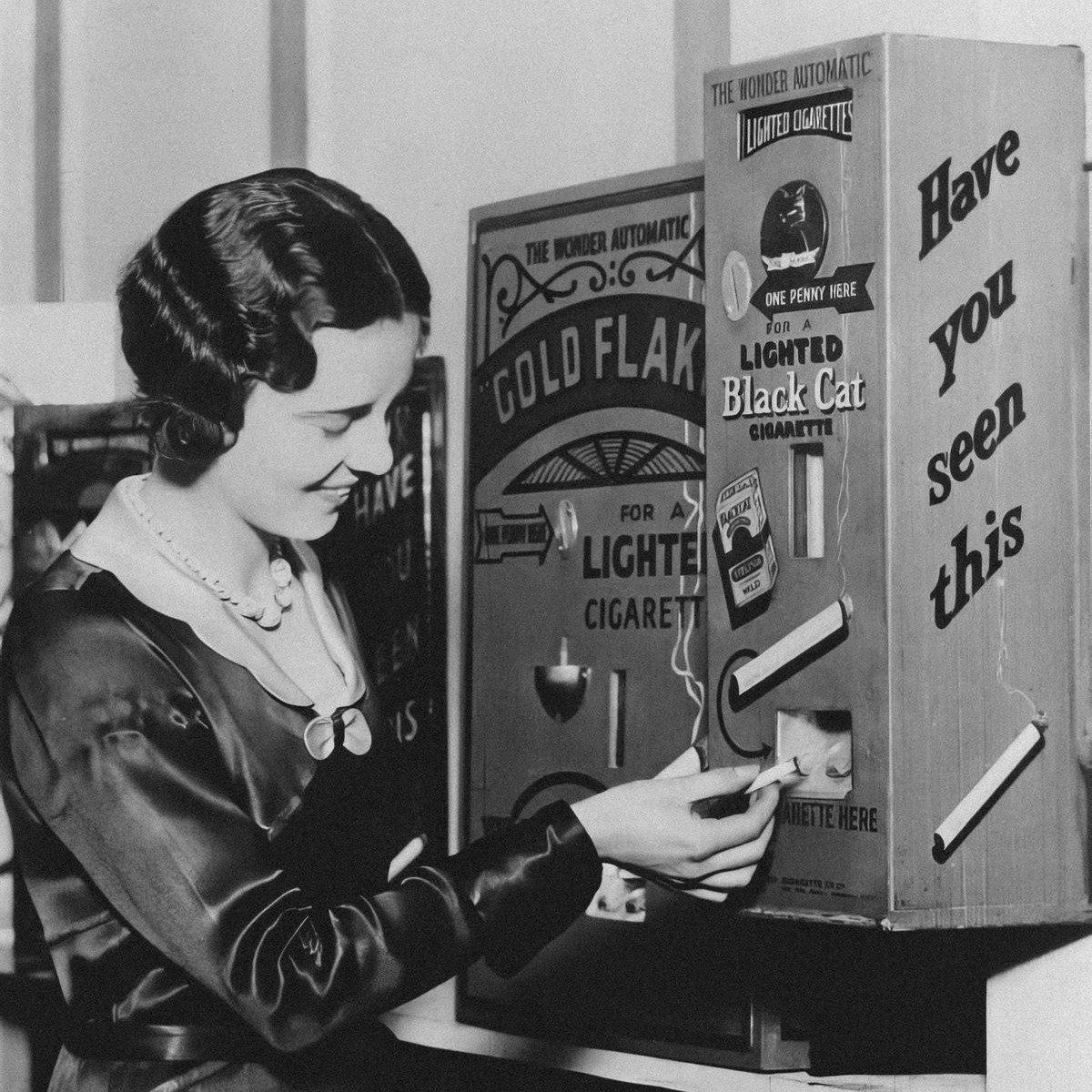
In 1908, the UK introduced legislation banning the sale of tobacco to children under 16.
It didn't suddenly stop children smoking. Why?
- Enforcement was weak
- Children could still smoke; they just couldn't legally buy tobacco
- Smoking was culturally acceptable
- Most people didn't yet understand the risks
The real shift came later. First, the Royal College of Physicians' report in 1962. Then the US Surgeon General's report in 1964. More research followed. More education followed. All showing smoking was seriously harmful. More legislation followed.
Over time, smoking moved from being normal and widely accepted to something most people now recognise as profoundly harmful to kids. It moved from around 50% of boys smoking regularly by age 16 in 1908 to around 1% of all kids today.
But that took a crazy long time.
Why did it take so long?
Because tobacco companies spent decades fighting back. They funded counter-research, promoted alternative explanations for smoking-related illnesses, lobbied governments and spoke of "balance" in the media. They warned of governments losing tax revenues and retail collapsing. They created "healthier" low tar versions. And, famously, they created a real, documented strategy called: "Doubt is our product."
Historians and public health experts argue these tactics delayed public understanding of smoking's harms by thirty years.
Thirty years of debate. Thirty years of confusion. Thirty years before the science fully entered public consciousness.
So why am I banging on about this?
Because I think there's a lesson here for the debate around children and social media.
No, social media is not tobacco. And no, the evidence isn't identical. But we do have a growing body of research suggesting excessive social media use can negatively affect young people's mental health, attention, wellbeing and their developing relationship with social approval and feedback.
Studies using fMRI have found that adolescents who frequently check social media show changes in how their brains respond to social rewards and feedback over time. Other research has linked heavy social media use with significantly higher rates of anxiety and depression symptoms in young people.
Will legislation fix it? No. And that's not the point.
Will the UK's proposed legislation be perfect? No. Will it have loopholes? Probably. Will it be lobbied against? Definitely. Will it solve the problem on its own? Definitely not.
But that's missing the point, in my opinion.
The 1908 tobacco legislation wasn't the solution either. It was the start. The science evolved. Public understanding evolved. Policy evolved.
My view is that social media legislation should be seen in exactly the same way: not as the finished answer, but as the beginning of a journey.
History teaches us that when a potential public health issue becomes too significant to ignore, meaningful change rarely comes from a single intervention. It comes from intervention, research, education and iteration.
I just hope it doesn't take us another thirty years to understand the full picture.
Ready to explore more?
Get in touch to discuss how these insights apply to your unique situation.